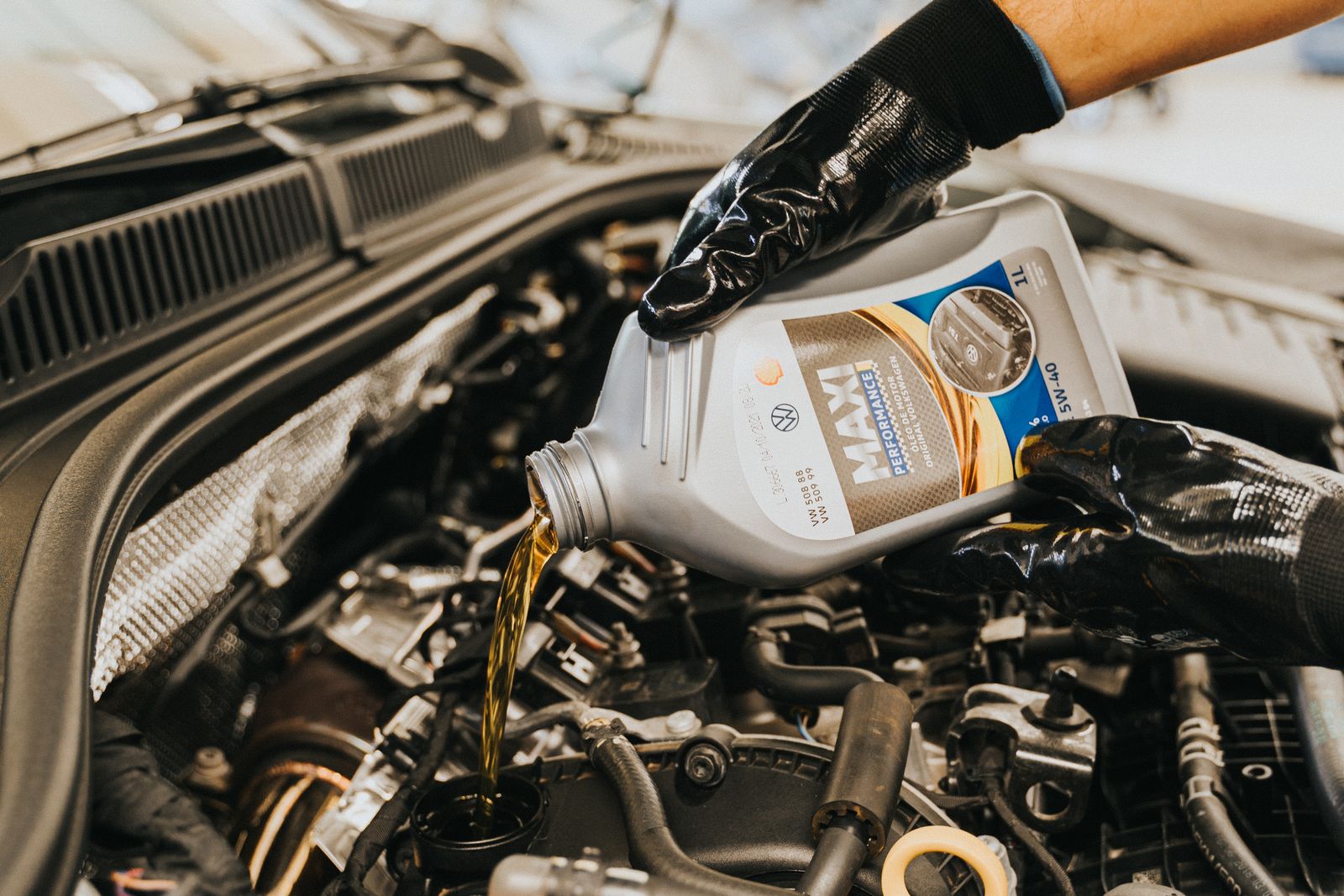
Can you mix two different engine oils?
Your oil is low, you are on the road and the only oil available is a different brand or grade. Can you top up with it? Short answer: in an emergency, yes — with a few rules.

Why it usually causes no harm
Engine oils that meet API or ACEA standards must be compatible with each other — it is part of the test requirements. Mixing two certified oils will not cause sludge or instant engine damage.
So what is the catch?
Mixing dilutes each oil’s additive package, and the blend tends to perform closer to the weaker of the two. Mix an SP oil with an SL oil and you no longer get the full SP benefit.
Simple rules
- For topping up, the same viscosity grade (e.g. 5W-30) of another brand is the best choice.
- Do not mix petrol engine oil with heavy-duty diesel oil, or engine oil with gear or hydraulic oil.
- Do not mix low-ash (ACEA C) oils with high-ash oils in cars with particulate filters.
- Synthetic and mineral oils are compatible; mixing them effectively gives you a semi-synthetic.
What to do afterwards
If you added a small amount (under a litre), carry on until your next service. If you added a lot of a different oil or a very different grade, change the oil early so the engine runs on one complete formulation again. Running low on oil is always more dangerous than mixing.
Quick answers
Is it harmful to mix synthetic and mineral oil?
Can I mix two brands of the same grade?
I put diesel oil in my petrol car — what now?
See our passenger car engine oils range, or ask our sales team for a recommendation and price.