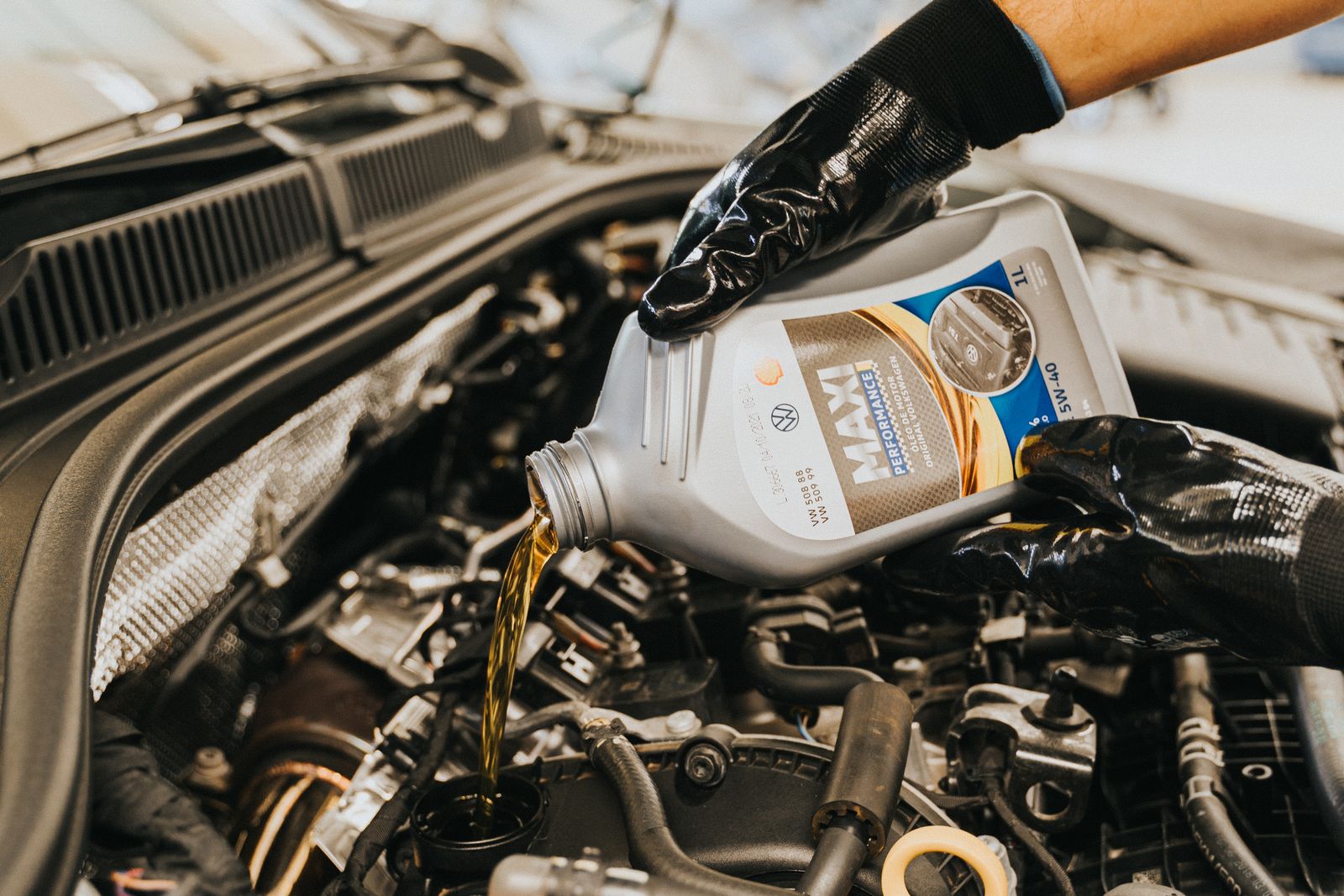
Passenger car engine oils
Engine oil for CNG and bi-fuel cars
Millions of cars in Iran run on compressed natural gas (CNG). Gas burns differently from petrol, and that affects the engine oil.

What gas does to an engine
- Higher combustion temperatures: natural gas burns hotter, exposing the oil to more oxidation and nitration.
- Less valve lubrication: liquid petrol gives the valves and seats a little cooling and lubrication; gas is dry.
- Less soot: gas burns cleaner, so less soot reaches the oil.
What makes a suitable oil
A good oil for CNG engines has high oxidation resistance and a balanced ash level. Some oils carry specific approvals or recommendations for gas engines. If your carmaker recommends a particular oil for gas operation, follow it.
Drain intervals
Because of the higher temperatures, cars that run mostly on gas usually need shorter oil change intervals. If you drive mainly on CNG, use the severe-service interval in your manual.
A few more tips
- A well-tuned gas system with clean filters keeps combustion temperatures in the right range.
- Regular valve clearance adjustment matters more on gas engines.
- The viscosity grade is the one in your manual — running on gas does not change it.
Quick answers
Does a bi-fuel car need a special oil?
An oil with strong oxidation resistance and the carmaker’s approval is enough; use the grade in the manual.
Why does oil age faster in CNG cars?
Higher combustion temperatures speed up oxidation and nitration of the oil.
How often should oil be changed in a CNG car?
Usually sooner than on petrol — use the severe-service interval in your manual.
Need the right product?
See our passenger car engine oils range, or ask our sales team for a recommendation and price.