What happens if you overfill engine oil?
Some drivers think more oil means more protection. In fact, an overfilled engine can be as troublesome as one that is low.
Why too much oil is a problem
- Foaming: if the oil reaches the crankshaft, it gets whipped into foam. Aerated oil forms a weak protective film.
- Extra pressure: crankcase pressure rises and can push oil past seals and gaskets.
- Burning oil: excess oil reaches the intake through the crankcase ventilation and burns — which is also bad for the catalytic converter.
How much is too much?
A few millimetres above the maximum mark rarely causes trouble. If the level is clearly above it — around half a litre or more — it should be corrected.
How to fix it
Remove the excess through the sump drain plug or with a suction pump down the dipstick tube. Do it with the engine cold or warm, not hot, and recheck the dipstick after each step.
Get it right first time
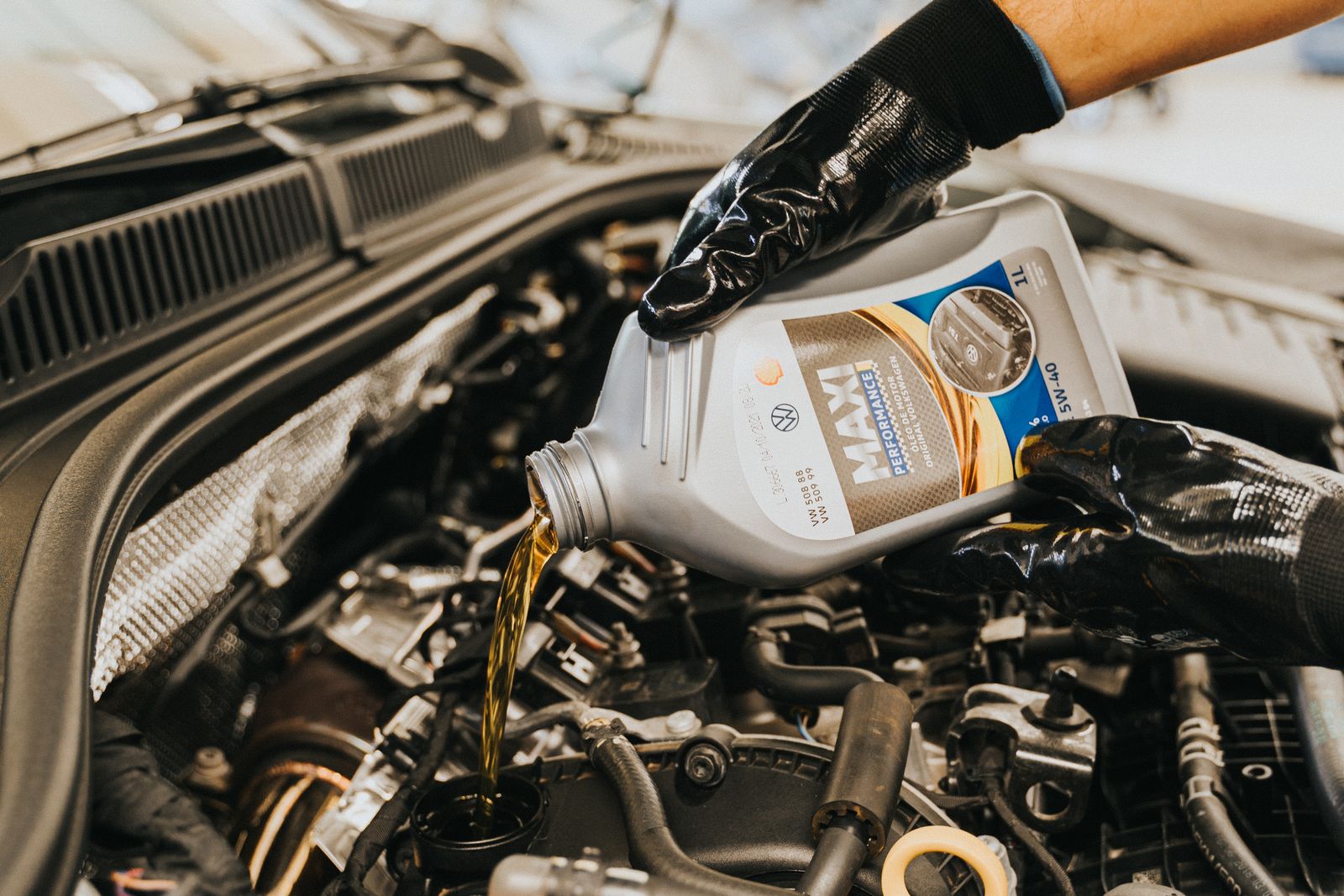
Look up the oil capacity in your manual. Pour about half a litre less than the capacity, run the engine for a minute to fill the filter, switch off, wait a few minutes and top up to the correct level on the dipstick.
Quick answers
Is slightly above the max mark dangerous?
What are the signs of overfilled oil?
Where do I find my engine’s oil capacity?
See our passenger car engine oils range, or ask our sales team for a recommendation and price.