Diesel vs petrol engine oil: what is the difference?
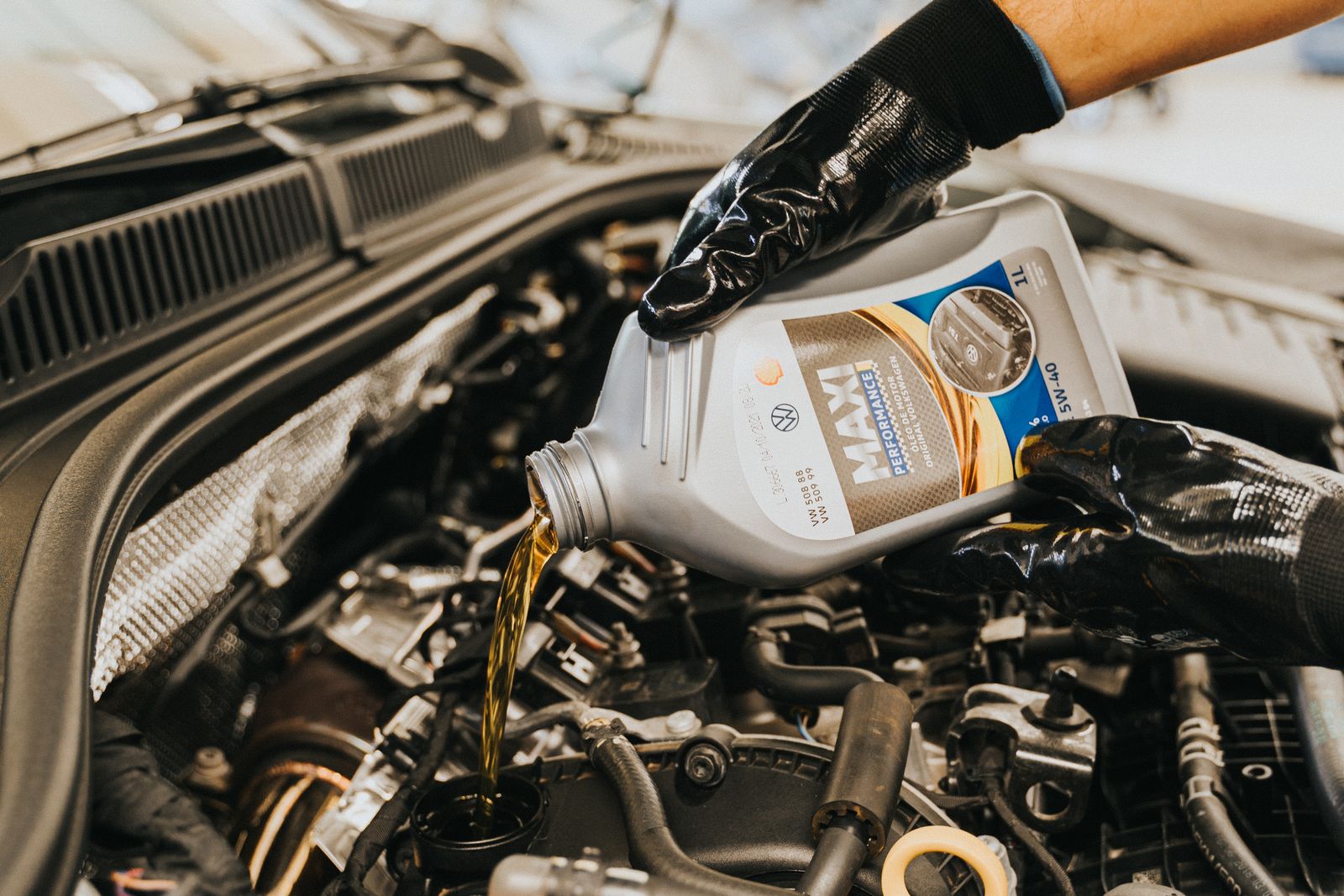
Diesel and petrol engine oils look alike and sometimes share a grade such as 10W-40, but they are built for different operating conditions.

The key difference: soot and acid
Diesel engines run at high compression and produce more soot. Diesel fuel also contains more sulphur, which turns into acid during combustion. So diesel oils carry more detergents and dispersants to keep soot suspended, and a higher base number (TBN) to neutralise acids.
Diesel oil in a petrol engine
Heavy-duty diesel oils are usually not ideal for modern petrol engines. High levels of some additives (such as phosphorus and sulphated ash) can harm the catalytic converter over time, and they lack the fuel-economy benefits of petrol oils — unless the oil carries both ratings.
Petrol oil in a diesel engine
A petrol oil does not have the capacity to control soot and acid in a heavy diesel engine, leading to faster wear and deposits. It is not recommended for trucks and buses.
Dual-rated oils
Some oils meet both standards, for example API CI-4/SL or ACEA A3/B4. They suit fleets that run both petrol cars and light diesels. Read the label: the first category listed is the oil’s primary use.
Quick answers
Can I use diesel oil in a petrol car?
What is TBN?
Are there oils for both petrol and diesel?
See our heavy-duty diesel engine oils range, or ask our sales team for a recommendation and price.