When to change hydraulic oil — signs your hydraulic oil is failing
Most hydraulic system failures come down to contaminated or worn-out oil. Healthy oil means pumps, valves and cylinders that run trouble-free for years.
Change intervals
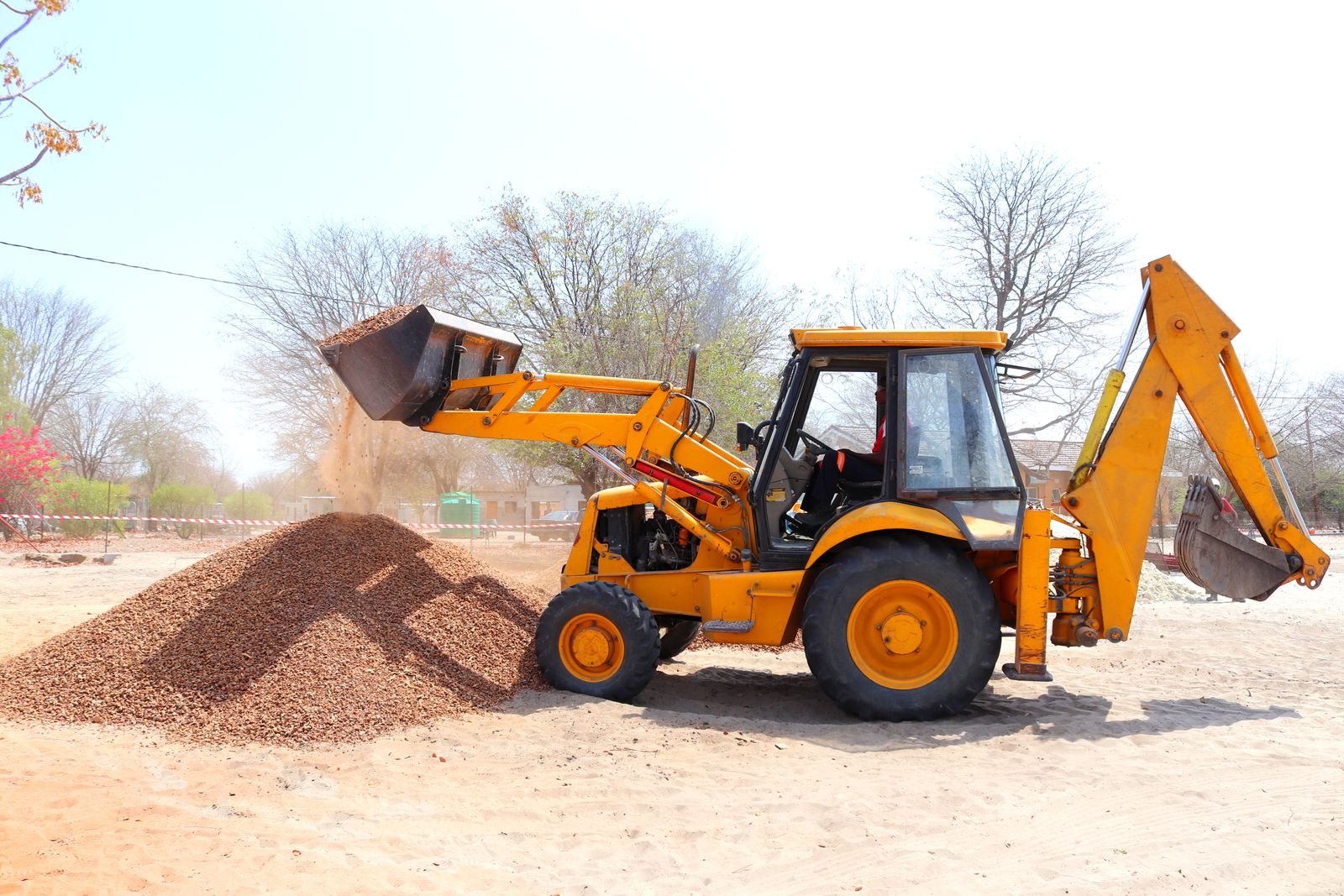
In many construction machines hydraulic oil is changed every 2,000–4,000 operating hours, and stationary industrial systems with good filtration can go longer. The most accurate method is regular oil analysis: instead of changing by the hour, it measures the oil’s real condition.
Signs of failing oil
- Foam or bubbles in the reservoir: air ingress or contamination and loss of anti-foam performance.
- Dark colour or a burnt smell: oxidation from high temperature.
- A milky look: water in the oil.
- Unusual pump noise (cavitation) and slow or jerky cylinder movement.
- System temperature running higher than usual.
The main enemy: contamination
Fine dust and metal particles, even when invisible, wear the tiny clearances inside pumps and valves. Changing filters on time, keeping the reservoir cap closed, using clean funnels and containers when topping up and storing drums correctly prevent the most expensive repairs.
When you change it
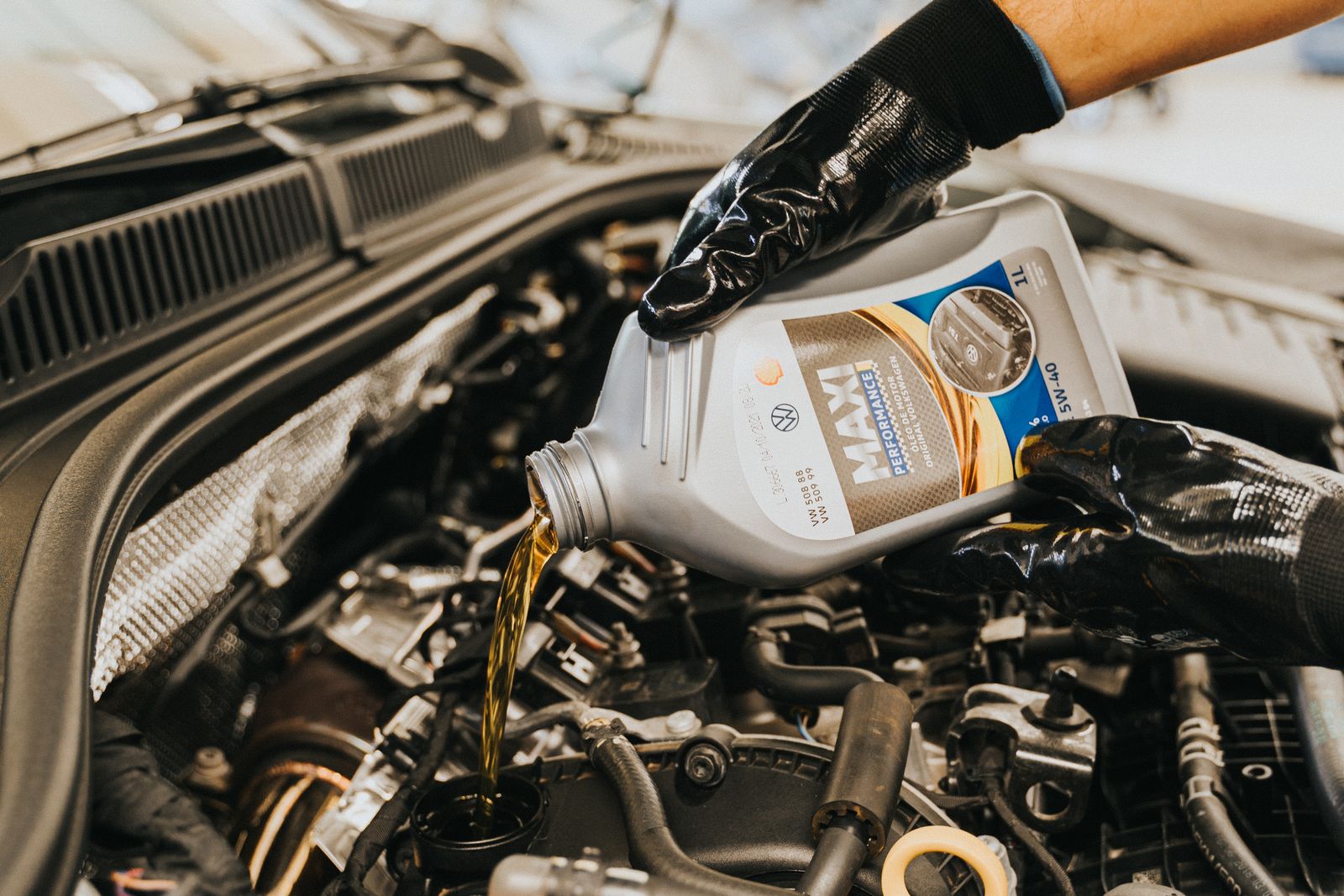
- Drain the old oil warm so suspended deposits come out with it.
- Change the filters at the same time.
- Use the same type and grade (e.g. HM or HV at the specified ISO VG) and do not mix dissimilar oils.
- Bleed air from the system after filling, as the manufacturer describes.
Quick answers
How often should hydraulic oil be changed?
What causes hydraulic oil to foam?
What is the difference between HM and HV hydraulic oil?
See our hydraulic oils range, or ask our sales team for a recommendation and price.